Technically not a "vitamin," vitamin D is in a class by itself. Its metabolic product, calcitriol, is actually a secosteroid hormone that targets over 2000 genes (about 10% of the human genome) in the human body. Current research has implicated vitamin D deficiency as a major factor in the pathology of at least 17 varieties of cancer as well as heart disease, stroke, hypertension, autoimmune diseases, diabetes, depression, chronic pain, osteoarthritis, osteoporosis, muscle weakness, muscle wasting, birth defects, periodontal disease, and more.
Vitamin D's influence on key biological functions vital to one's health and well-being mandates that vitamin D no longer be ignored by the health care industry nor by individuals striving to achieve and maintain a greater state of health.
Monday, January 4, 2010
232 Toxins Found In Babies
Sunday, January 3, 2010
Laboratory tests commissioned by the Environmental Working Group have detected bisphenol A (BPA), a plastic component and synthetic estrogen, in umbilical cord blood of American infants.
Nine of 10 randomly selected samples of cord blood tested positive for BPA, an industrial petrochemical.
BPA has been implicated in a lengthening list of serious chronic disorders, including cancer, cognitive and behavioral impairments, endocrine system disruption, reproductive and cardiovascular system abnormalities, diabetes, asthma and obesity.
In all, the tests found as many as 232 chemicals in the 10 newborns, all of minority descent. The cord blood study has produced hard new evidence that American children are being exposed, beginning in the womb, to complex mixtures of dangerous substances that may have lifelong consequences.
And in a separate study, researchers found that complications of pregnancy, such as preterm labor, preterm birth, and infection were lowest in women with the highest vitamin D levels.
Click HERE to read rest of this article.


Wednesday, December 30, 2009
Vitamin D may help in the battle with diabetes
Discussion
By SUZY COHEN - For the Herald & Review | Posted: Tuesday, November 10, 2009 10:00 pm
Dear Suzy: I read your Facebook post about vitamin D and how it works better than diabetic medications. I have diabetes, and no one has ever told me this. Would you share more information?
- L.N. Denver, Colo.
A: Diabetes is an inflammatory condition; it is not just about high blood sugar, as most people think. If left to run its devastating course, diabetes could steal your vision, destroy your kidneys and cause nerve pain, heart attack, stroke or amputation. So we have to take diabetes seriously and do all that we can to reduce blood sugar (glucose) and make our cells happier to see insulin (improve insulin sensitivity).
Doctors have many medications at their disposal to reduce blood glucose. I think natural vitamin D can help, too, so I posted that comment on Facebook and Twitter. I was trying to help people with diabetes because they may not know that it's an inexpensive, over-the-counter dietary supplement.
My comment was based in clinical science - more specifically, on a 2004 study published in the American Journal of Clinical Nutrition that found that raising a person's blood levels of vitamin D (from 25 to 75 nmol/l) could improve insulin sensitivity by a whopping 60 percent. Compare that to metformin, one of our pharmaceutical gold standards, which can dispose of blood sugar by a meager 13 percent according to the New England Journal of Medicine.
Click HERE to read the rest of this article.
Wednesday, November 11, 2009
Research Shows Why Diabetics Should Avoid Vitamin D Deficiency
November 9, 2009 by Personal Liberty News Desk
Research shows why diabetics should avoid vitamin D deficiency Based on new research, scientists are beginning to understand why people with diabetes should be particularly wary of vitamin D deficiency.
Anyone with low levels of the vitamin may be at a higher risk for cardiovascular disease, but a team of researchers at Washington University School of Medicine in St. Louis has found vitamin D deficiency causes diabetics to be unable to process cholesterol normally.
As a consequence, cholesterol builds up in their blood vessels, which leads to an elevated risk of heart attack and stroke.
Click HERE to read the rest of this article.
Friday, November 6, 2009
Doctors start to include vitamin D in fight against cancer
Oncology treatments
With new studies showing the sun vitamin may slow come cancers, some physicians are eager to add it to treatment programs.
Responding to research indicating that vitamin D may slow the progression of breast, colon and other common cancers, some doctors have begun adding the supplement to their tool kit of cancer therapies alongside more conventional treatments such as radiation, surgery and chemotherapy.
Click HERE to read the rest of this article.
Monday, October 19, 2009
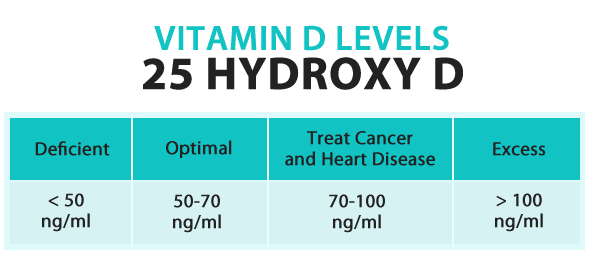
Determine Your OPTIMAL Level of Vitamin D
Click on image to open in new window.
Keeping your level in this range, and even erring toward the higher numbers in this range, is going to give you the most protective benefit। And the way you maintain your levels within this range is by getting tested regularly – say two to four times a year in the beginning, and adjusting your vitamin D intake accordingly.
CHANGE 'Breast Cancer Awareness Month' to 'Breast Cancer PREVENTION Month'
It's time. The tools are at hand. It just takes our combined efforts. Drs Cedric Garland, UCSD School of Medicine and Tracey O'Connor, Roswell Park Cancer Institute will present information on how prevention can work with vitamin D and, what a cancer treatment protocol would look like. Save your daughters!--your wives, your friends, your patients from this disease.
Don't stop with breast cancer--infectious diseases, type 1 diabetes, hypertension, colon cancer, falls in the elderly are just a few more diseases that are affected by vitamin D serum levels. The objective of the seminar will be to provide all health care professionals with the information needed to take action NOW. It is estimated that 25-50% of any healthcare budget could be saved with vitamin D serum levels between 40-60 ng/ml (100-150 nmol/L).
Reduce All Cancer Incidence by 77% with Vitamin D? - Seminar
The Grassroots Health organization has announced a seminar on the health impact of solving the vitamin D deficiency epidemic. The seminar will be held on November 3, 2009 at the University of Toronto, Ontario, Canada. The price is $55, and includes a free vitamin D test for those registering by October 15.
While directed at health professionals, the mere existence of the seminar should underscore the potential health benefits of everyone getting enough vitamin D. Among the statistics cited in the seminar announcement are a 77% reduction in all cancer incidence, a 80% reduction in breast cancer, and a 78% reduction in type-1 diabetes.


