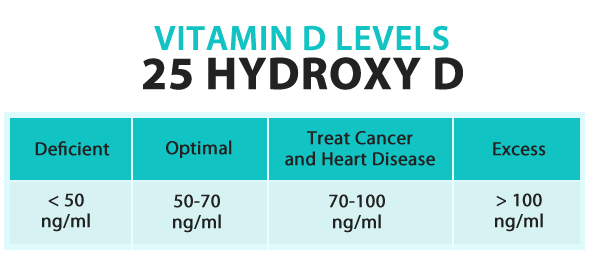
Technically not a "vitamin," vitamin D is in a class by itself. Its metabolic product, calcitriol, is actually a secosteroid hormone that targets over 2000 genes (about 10% of the human genome) in the human body. Current research has implicated vitamin D deficiency as a major factor in the pathology of at least 17 varieties of cancer as well as heart disease, stroke, hypertension, autoimmune diseases, diabetes, depression, chronic pain, osteoarthritis, osteoporosis, muscle weakness, muscle wasting, birth defects, periodontal disease, and more.
Vitamin D's influence on key biological functions vital to one's health and well-being mandates that vitamin D no longer be ignored by the health care industry nor by individuals striving to achieve and maintain a greater state of health.
Saturday, January 9, 2010
Death rates surge with inadequate vitamin D
Insufficient levels of serum 25-hydroxyvitamin D (25[OH]D) appear to be a major contributor to deaths in older adults, as shown in a study showing vitamin D levels to be inversely proportional to mortality risk in these individuals (J Am Geriatr Soc. 2009;57:1595-1603).
“The association was strong (two times greater odds of mortality for 25[OH]D level <25.0 nmol/L) and appeared linear within the range of the data and independent of common CVD [cardiovascular disease] and mortality risk factors,” researchers note.
The team looked at the vitamin D levels of 3,408 men and women aged 65 years and older upon their enrollment in the Third National Health and Nutrition Examination Survey (NHANES III). After a median 7.3 years of follow-up, 1,493 (44%) of the cohort had died. Slightly more half the deaths (767) were CVD-related.
Compared with participants who had optimal vitamin D status, those who had low vitamin D levels were three times more likely to die from heart disease and 2.5 times more likely to die from any cause. Individuals with baseline 25(OH)D levels <50.0 nmol/L seemed to be at highest risk for mortality, “but levels of 100.0 nmol/L or greater may be necessary for better survival,” researchers observe.”
Thursday, November 19, 2009
Why Governments Are Selling Vitamin D Short
Reinhold Vieth is frustrated. A thin, bald professor at the University of Toronto's Department of Laboratory Medicine and Patho-biology, Vieth is among the most knowledgeable people in the world on the subject of vitamin D...So why is Dr Vieth so frustrated? You might think he'd have cause for celebration. But for him and other vitamin D researchers around the world, the good news comes with a bitter aftertaste. They believe they can prove vitamin D could help millions live longer and be healthier and yet they have not been able to convince their own governments.
Click HERE to read the rest of this article.


Saturday, November 14, 2009
H1N1 Swine Flu Deadly in All Age Groups
When Swine Flu Is Bad, It's Really Bad, Data Confirm
By Daniel J. DeNoon
WebMD Health News
Reviewed by Louise Chang, MD
Nov. 3, 2009 - H1N1 swine flu isn't always severe, but when it's bad, it's really bad. Patients hospitalized with pandemic flu have an 11% fatality rate, data from California suggest.
The pandemic flu bug is far more likely to strike younger people. But when people aged 50 and older get hospitalized with H1N1 swine flu, their case-fatality rate is the highest of any group: 18% to 20%.
The findings come from an analysis of data collected from California hospitals during the first 16 weeks of the U.S. H1N1 swine flu pandemic (April 23 to Aug. 11) by Janice K. Louie, MD, MPH, of the California Department of Health and colleagues.
"In contrast with the common perception that pandemic 2009 influenza A (H1N1) causes only mild disease, hospitalization and death occurred at all ages, and up to 30% of hospitalized cases were severely ill," Louie and colleagues report in the current issue of the Journal of the American Medical Association.
In a news conference, CDC Director Thomas Frieden, MD, MPH, said the California data show that H1N1 swine flu is just as deadly as seasonal flu.
"What we have seen in that article and in our own data from around the country and around the world is the level of severity among those who become ill is similar to seasonal flu," Frieden said. "Although a much, much lower proportion of people over 65 get H1N1 compared with seasonal flu, if they get it, it can be every bit as severe."
Click HERE to view the rest of this article.
Wednesday, November 11, 2009
Research Shows Why Diabetics Should Avoid Vitamin D Deficiency
November 9, 2009 by Personal Liberty News Desk
Research shows why diabetics should avoid vitamin D deficiency Based on new research, scientists are beginning to understand why people with diabetes should be particularly wary of vitamin D deficiency.
Anyone with low levels of the vitamin may be at a higher risk for cardiovascular disease, but a team of researchers at Washington University School of Medicine in St. Louis has found vitamin D deficiency causes diabetics to be unable to process cholesterol normally.
As a consequence, cholesterol builds up in their blood vessels, which leads to an elevated risk of heart attack and stroke.
Click HERE to read the rest of this article.
Friday, November 6, 2009
Doctors start to include vitamin D in fight against cancer
Oncology treatments
With new studies showing the sun vitamin may slow come cancers, some physicians are eager to add it to treatment programs.
Responding to research indicating that vitamin D may slow the progression of breast, colon and other common cancers, some doctors have begun adding the supplement to their tool kit of cancer therapies alongside more conventional treatments such as radiation, surgery and chemotherapy.
Click HERE to read the rest of this article.
Thursday, November 5, 2009
Use Vitamin D As Flu Medicine
Vitamin D is growing in popularity as a way to prevent flu. Current medical research has identified a correlation between seasonal Vitamin D levels and influenza. The more sun, the less illness. The less sun, the more flu. Research has also shown that vitamin D prevents respiratory infections in adults and children. Lots of flu remedies provide flu relief, but Vitamin D actually prevents flu. It is especially effective at preventing respiratory illness making it a perfect flu medicine.
Read more...